Reformed churches baptize the children of believers because Scripture teaches that God's covenant has always included the households of His people.
In this article
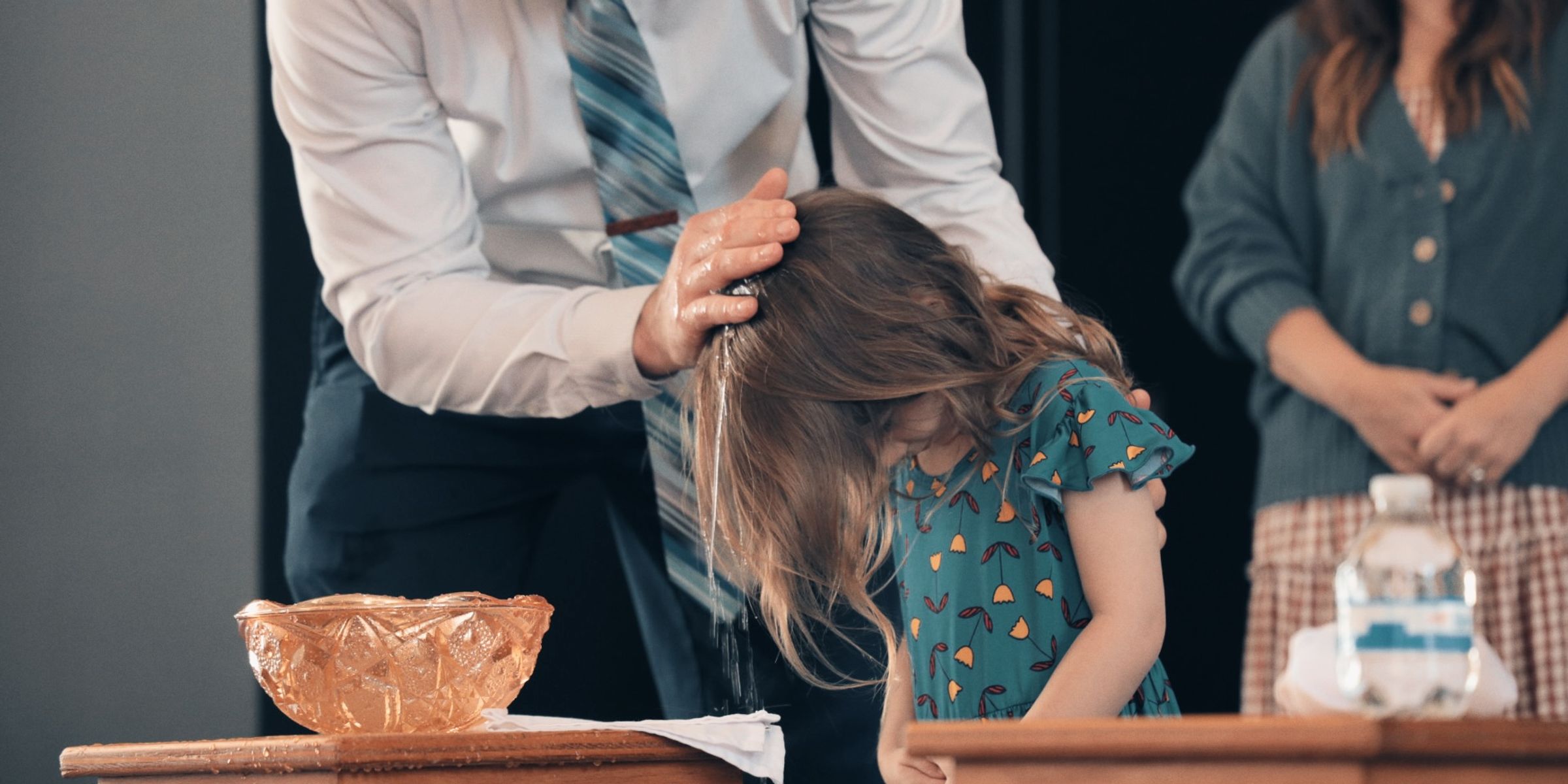
If you've ever sat in a Reformed worship service and watched a pastor sprinkle water on a tiny, wide-eyed baby, you may have walked away with more questions than answers. Doesn't baptism follow belief? Don't you have to choose Jesus before you can be baptized? Isn't this just a holdover from Catholic tradition? These are good questions, and they deserve careful answers. The practice of infant baptism-or what theologians call paedobaptism-isn't a strange ritual the Reformers forgot to throw out. It flows from a particular way of reading the whole Bible. So let's walk through it slowly, honestly, and with open Bibles.
What Is Paedobaptism?
The word paedobaptism simply means "child baptism," from the Greek paidion, meaning "young child" or "infant." When Reformed Christians talk about infant baptism, they're talking about the practice of baptizing the children of believing parents as members of the covenant community.
This isn't a claim that the baby has personally trusted Christ. It isn't a magical ceremony that automatically saves a child apart from faith. And it isn't done because the parents think their baby is sinless or doesn't need the gospel. Reformed Christians baptize infants because they believe God's promises extend to believers and their children, and baptism is the sign of those promises.
If you've read our introduction to what a Reformed church is, you'll remember that covenant is at the heart of how Reformed Christians read Scripture. Infant baptism is one of the places where that covenant theology becomes most visible.
The Covenant: One Story, Two Testaments
To understand why Reformed churches baptize infants, you have to understand how Reformed Christians read the Bible. We don't see the Old Testament and New Testament as two separate stories with two separate plans of salvation. We see one story-God redeeming a people for Himself-unfolding across many chapters.
Webster's 1828 Dictionary defines covenant as "a mutual consent or agreement of two or more persons, to do or to forbear some act or thing." In Scripture, a covenant is the way God binds Himself to His people in love and faithfulness. From Adam to Noah to Abraham to Moses to David to Christ, God keeps making and renewing the same fundamental promise: "I will be your God, and you will be my people."
Here's the key: God has always included the children of His people in that promise.
When God made His covenant with Abraham in Genesis 17, He didn't just promise to be Abraham's God. He promised to be the God "to you and your offspring after you" (Genesis 17:7). Then He gave Abraham a sign to mark this covenant-circumcision-and commanded that it be applied to every male child at eight days old. Notice what this means. Abraham believed first and was then circumcised as an adult (Romans 4:11). But his son Isaac was circumcised as an infant, long before he could profess faith. The covenant sign came first; the personal faith came later.
This wasn't a mistake. It was the pattern.
From Circumcision to Baptism
Here's where many people get stuck: "But that was the Old Testament. We're under the New Covenant now. Things changed." Yes, things changed-but not in the direction many assume.
The New Testament doesn't shrink the covenant family. It expands it. Where circumcision was for Jewish boys only, baptism is for sons and daughters from every nation. Where the old covenant was administered through the people of Israel, the new covenant is administered through the church drawn from every tribe and tongue. The promise gets bigger, not smaller.
So when Peter preaches the very first Christian sermon at Pentecost, what does he say? "Repent and be baptized every one of you in the name of Jesus Christ for the forgiveness of your sins, and you will receive the gift of the Holy Spirit. For the promise is for you and for your children and for all who are far off, everyone whom the Lord our God calls to himself" (Acts 2:38-39). For you and for your children. That phrase would have rung loudly in Jewish ears. It's the language of Genesis 17, brought forward into the church.
Paul makes the connection even more explicit in Colossians 2:11-12, where he describes baptism as the new covenant equivalent of circumcision. Same covenant family. New covenant sign. The water replaces the knife, but the meaning carries through: this child belongs to the people of God.
What About "Households"?
The New Testament gives us another window into early Christian practice through what scholars call the "household baptisms." When Lydia comes to faith in Acts 16, "she was baptized, and her household as well" (v. 15). When the Philippian jailer believes, "he was baptized at once, he and all his family" (v. 33). When Paul recounts his ministry in Corinth, he mentions baptizing "the household of Stephanas" (1 Corinthians 1:16).
These weren't gathered crowds of adult converts who all happened to live under the same roof. The household, in the ancient world, was a unit-parents, children, sometimes servants and extended family. When the head of a household came to faith, the household received the covenant sign together.
This is exactly what we'd expect if the apostles understood baptism the way Reformed Christians understand it: as the new covenant counterpart to circumcision, applied to believers and their children.
What Infant Baptism Doesn't Mean
It's worth clearing up some common misunderstandings, because the doctrine often gets misrepresented.
Infant baptism doesn't mean the child is automatically saved. Reformed Christians don't believe baptismal water regenerates the soul on its own. The child still needs to grow up to embrace the faith for himself, to repent of sin, to trust Christ personally. Baptism is a sign and seal of God's promises-not a guarantee apart from faith.
Infant baptism doesn't replace personal conversion. Children of the covenant are expected, in time, to believe what their baptism signifies and to live as disciples of Jesus. The water doesn't do the believing for them.
Infant baptism doesn't make the child a Christian in some lesser, second-class way. The baptized child is a full member of the covenant community, with all the privileges and responsibilities that come with belonging to God's people. They're being raised inside the household of faith, not lingering on the doorstep waiting to be let in.
Why This Matters for How We Raise Our Kids
If our children are members of the covenant community, that changes how we treat them. They aren't pagan outsiders we hope to evangelize someday. They're little disciples we're raising in the faith, right now. We teach them to pray because they're God's children. We bring them into worship with us because they belong with the worshiping family. We train them to love Christ because they've been claimed by Him from the cradle.
This is one reason Reformed churches tend to keep families together in worship rather than separating kids into age-graded programs during the service. The same covenant logic that leads us to baptize our children leads us to want them present when the covenant community gathers. They're not future members. They're current members, learning the rhythms of faith from their parents and from the saints around them.
It also gives parents real comfort. When you've watched the pastor mark your child with the sign of the covenant, you have a tangible reminder that God has made promises to your family. Those promises don't substitute for faith-but they fuel prayer, shape parenting, and give hope through the long, slow work of raising children who love the Lord.
Come and See for Yourself
Infant baptism can sound strange the first time you encounter it, especially if you grew up in a tradition that practices believer's baptism only. We understand. The disagreement between paedobaptists and credobaptists is a serious one between Christians who love the same Lord and read the same Bible. We don't pretend it's a minor issue, and we hold our position with conviction-but also with charity toward brothers and sisters who see it differently.
If you'd like to dig deeper, the best thing you can do is read the relevant passages slowly: Genesis 17, Acts 2, Acts 16, Romans 4, Colossians 2. Ask whether the pattern of "you and your children" really did get smaller in the New Testament, or whether it grew. Talk to a Reformed pastor. Sit through a baptism in a Reformed service and watch what's actually happening: a covenant God laying His hand on a covenant child, in front of a covenant people who promise to help raise her up in the faith.
It's a beautiful thing. And we'd love for you to come see it for yourself.